|
Waterless Urinals by Gentworks :: Flush Controllers
|
|
Buy Flush Controllers for Low-Flushing Urinals
Call 0845 202 4535 for advice or sales |
 |
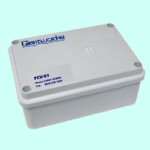
Most flush controllers use sensors to detect usage of the urinals and then cause a flush within a specified period, usually 20 minutes. When used with urinal sleeve products such as Gentworks UMDs, such frequent flushing is not only unnecessary but actually prevents them from working. The beneficial microbes dispensed by UMDs take more than 2 hours to begin the process of breaking down urine. Flushing more regularly than once every 4 hours will actually reduce their effectiveness. The only reason that any flushing is required is to push the hair and other debris down the waste pipes that the microbes are unable to break down. The flush controllers below are designed to allow for long intervals between flushes.
| Image |
Product |
Min. Interval |
Max. Interval |
Comments |
 |
Price = £99 |
1 hour |
15 hours |
|
 |
Price = £99 |
1 day |
15 days |
-
for use with
Gentworks UMDs, reprogrammed version of the "Gentworks Low Flush", so inherently reliable.
-
most commonly used as a "back-up" for waterless urinals where there are concerns that the required weekly dosing procedure will not be adhered to. A weekly flush will help wash away any hair and debris in the waste pipes if someone forgets to dose.
-
can also be used for urinals with low traffic without dosing, set on 1 flush per day
-
as cistern and downpipes are being regularly purged, a risk assessment will usually conclude that a
dead-leg procedure is not required, i.e. the water supply pipes do not need to be drained and capped.
|
 |
Price = £145 |
10 mins |
1 day |
-
highly innovative PIR sensor model with the flexibility to be used with urinal sleeves or without. A good choice for those who think they may convert back to regular flushing in the future.
-
LCD display shows how long before next flush, providing reassurance that the system is working as required.
-
can be set to flush at different frequencies at different times of day. For example, a restaurant or canteen washroom open at irregular times could set a flush to occur 4 hours after the urinal is first used and, if nobody approaches the urinal, then it would activate a flush after 12 hours.
-
wireless link (approx.15metre range) between control box and sensor allows for more flexible and easier installation, particularly useful where cisterns are concealed.
|
|
|